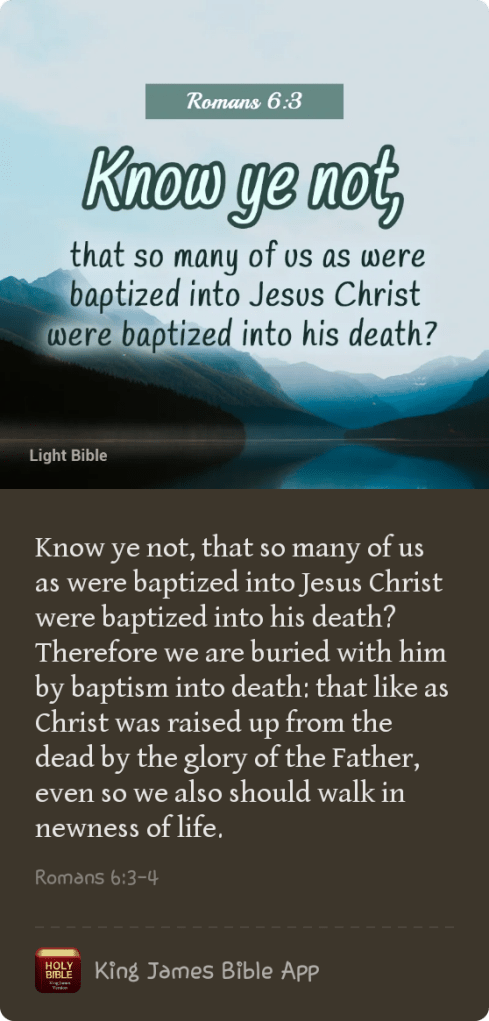
Night Prayer: Romans 6:8

My site is for uplifting and encouraging those that need spiritual advice and guidance.


Ready to amplify your Bible study? This week we are showcasing several best-selling Amplified translation titles. Amplified Bible Amplified Bible Classic Edition Amplified Study Bible Harmony of the Gospels – Amplified Amplified titles aren’t the only books on sale! Click below to see even more savings. Click here to view all discounted titles!

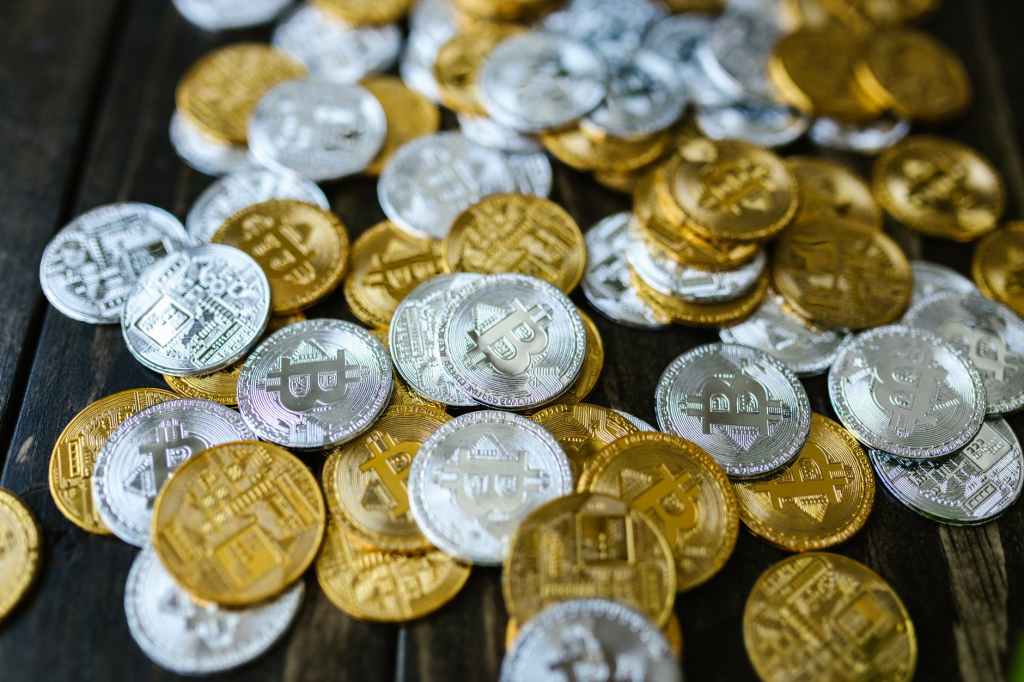
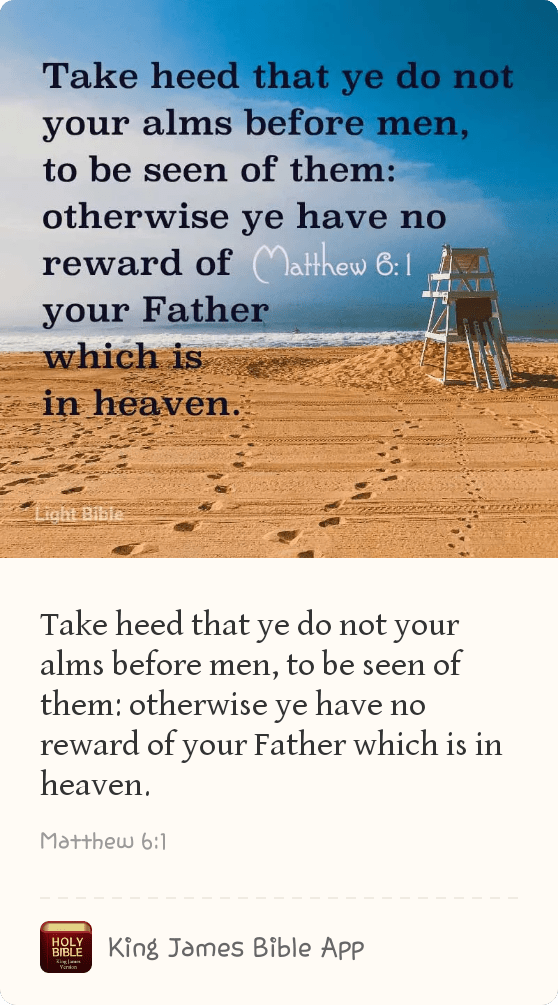
Lay not up for yourselves treasures upon earth, where moth and rust doth corrupt, and where thieves break through and steal: Matthew 6:19 KJV https://bible.com/bible/1/mat.6.19.KJV
Ready to study wisdom in James 3 with cross references? Let’s take a look at this passage with the New Treasury of Scripture Knowledge. King Solomon is easily admired. When he became king after his father David, he had something very special happen early in his reign. In 1 Kings 3, God comes to Solomon in a dream and asks him what he would like. Instead of asking for wealth, more power, or a long life, Solomon asks the Lord for wisdom to lead the people of Israel. He asked God for wisdom and God gave it to him. That event in Scripture often comes to mind in the third chapter of James. In verse 13 we find the following: “Who among you is wise and understanding? By his good conduct he should show that his works are done in the gentleness that comes from wisdom.” (James 3:13). The passage then goes on to compare and contrast worldly and godly wisdom. In our walks with the Lord, we want to be as wise as possible. So let’s see what more we can find in Scripture using the Olive Tree Bible App to help us better understand how we can both have and apply godly wisdom to our lives. We will focus our study on verse 17. Start with Your Bible When it comes to studying the Bible, one tool we often underutilize in our study is the Bible itself. More often than not, we quickly turn to commentaries and study Bibles, when the Bible itself, in addition to the tools publishers include, provides us with a wealth of information. When we learn to lean on the Bible first, we can often bypass many of our other resources. If you’re studying a particular subject, like wisdom in James, one of the first things you can do is search the Bible for that word. Searching the Christian Standard Bible for the word “wisdom” returns 234 hits. That’s a bit much to filter through for a quick study, so let’s move on to the next option the Bible provides: cross-references. Bible Cross-References In the Olive Tree Bible App there are two ways to find your Bible’s cross-references. The first option is to tap on the footnote reference in the Bible text and see everything in a popup. The second way, which is my preferred option, is to use the Resource Guide’s “Related Verses” section. Find your Bible translation, tap on it, and you’ll see all your Bible’s cross-references for the passage you’re studying. Many people love this method because it makes it easy to tap on the verses. Plus, you can change translations and see its cross-references (and the pop-up will even show you the verse in that specific Bible’s translation). Getting back to our passage in James, we’re given 5 cross-references for James 3:17 which includes: Luke 6:36; Romans 12:9; 1 Corinthians 2:6; Hebrews 12:11; James 2:4. Of these five verses, only 1 Corinthians 2:6 speaks about wisdom and how the wisdom Paul speaks of is for the mature and is not the wisdom of his age. That’s not particularly helpful. Knowing we have over 200 verses that reference wisdom, there has to be a better way to filter them so we can find passages that will help us make more sense of the godly wisdom spoken of in our passage. There is, and that’s where we’ll turn next. Next-Level Cross-Referencing After exhausting the cross-references provided by our Bible, the next place we should turn is a more exhaustive list of cross-references. A favorite tool for this is the New Treasury of Scripture Knowledge (NTSK). It’s essentially cross-references on steroids. By comparison, when the CSB only gave us 5 cross-references for James 3:17, the NTSK offers more than 80 verses for us to examine. Here is the entry for the phrase “the wisdom from above”: “17. the wisdom.ver. 15. Ja 1:5, 17. Ge 41:38, 39. Ex 36:2. 1 K 3:9, 12, 28. 1 Ch 22:12. Jb 28:12, 23, 28. 32:7. Pr 2:6. 4:7. Is 11:2, 3. Da 1:17. Ho 14:9. Mt 7:24. Lk 21:15. 1 Co 2:6, 7. 12:8. 2 Ti 3:15.” – New Treasury of Scripture Knowledge That is a great list to get us started when looking at the subject of wisdom. Here’s a summary of some of what we find in those passages: James 3:15 – the immediate context of our passage, contrasting godly wisdom with worldly wisdom 1 Kings 3:9, 12, 28 – Solomon receives wisdom from God Job 28:23, 28 – wisdom is found in God and fearing/reverencing him Proverbs 2:6; 4:7 – wisdom is supreme and comes from God Isaiah 11:2, 3 – Jesus is ultimately wisdom personified Hosea 14:9 – the wise walk in the ways of the Lord Matthew 7:24 – people who follow Jesus’ teachings are wise 2 Timothy 3:15 – Scripture gives us the wisdom & knowledge we need for salvation James 1:5 – God gives wisdom generously to those who ask James 1:17 – God is the giver of every good & perfect gift (which includes wisdom) From here we could turn to a commentary, Bible dictionary or the like, but maybe we don’t need to. Simply using cross-references has allowed us to have a pretty good understanding of what godly wisdom is and how we get it. Summarize the Passages So, if we were to summarize our findings we could say that godly wisdom is found through the study of Scripture and understanding who God is. Godly wisdom allows us to live a godly and righteous life. Take Your Study to the Next Level So many people love studying with cross-reference tools like the New Treasury of Scripture Knowledge. It is a great first-stop for questions during your Bible reading. TAP HERE to get a copy of the New Treasury of Scripture Knowledge.
https://music.youtube.com/watch?v=Qs-3tj4DoNU&feature=share
Enjoy the video. God bless.


Fear thou not; for I am with thee: be not dismayed; for I am thy God: I will strengthen thee; yea, I will help thee; yea, I will uphold thee with the right hand of my righteousness. Isaiah 41:10 KJV https://bible.com/bible/1/isa.41.10.KJV
“Tyre Wealthy Phoenician city north of Israel (in modern Lebanon) that sits along a rocky portion of the Mediterranean coast. During the time of ancient Israel it was known for its cedar supplies and skilled craftsmen, and was home to a lucrative international trading business (Isa. 23:3, Ezek. 27:3). It is often mentioned with Sidon, a town farther north. Tyre is first referenced in accounts of the area allotted to the tribe of Asher, where it is described as a fortified city (Josh. 19:29), though it remained a settlement of the Phoenicians. At the beginning of the Israelite monarchy its king, Hiram, sent David cedar logs and workmen to build David’s palace (2 Sam. 5:11). These friendly relations continued through Solomon’s reign (1 Kings 5:1, 12). Solomon traded food supplies with Hiram for cedar logs for his temple construction (1 Kings 5:7-11), a trade that the Jewish people would make again centuries later after returning from exile in Babylon to rebuild the temple (Ezra 3:7). Solomon also enlisted a man of half Jewish descent from Tyre to create bronze items for the temple (1 Kings 7:13-14). Over time these good relations became strained, as people from Tyre stole valuables from Israel and sold Jews into slavery in Greece (Joel 3:5-6). Isaiah prophesized against the city, predicting that it would be forgotten for seventy years and then have its trading business restored, but with its revenue supporting God’s people (Isa. 23:15-18). Jeremiah, Ezekiel, Amos, and Zechariah all predicted Tyre’s downfall, Amos and Ezekiel attributing it to their dishonorable trading practices (Jer. 25:22; 27:3; Ezek. 26:7-14; 28:16-18; Amos 1:9-10; Zech. 9:3-4). In the New Testament, Jesus references Tyre as a contrast with unrepentant towns (Matt. 11:21-22; Luke 10:13-14). He also visited the region after walking on water and praised a non-Jewish woman there for her faith (Matt. 15:21-28; Mark 7:24-30). Years later Paul made a stop in Tyre with Luke on his third missionary journey and stayed for several days with some disciples, praying with them and their families on the shore before departing (Acts 21:3-6).” Sent from Bible Study
“Shechem (Sichem, Sychem) City located in Israel between the Jordan River and the Mediterranean Sea, in the valley between two mountains named Ebal and Gerizim. Scripture first mentions Shechem when Abraham stopped at a tree there on his way through Canaan from his hometown of Ur (Gen. 12:6). It was there that God promised Abraham to give the land to his descendants (Gen. 12:7). Shechem is next mentioned when Jacob traveled there after reuniting with his brother Esau (Gen. 32:18). Jacob set up an altar on a piece of the land which he bought from the sons of a man named Hamor, one of whom was named Shechem (Gen. 33:19-20). Shechem subsequently raped Jacob’s daughter Dinah and was killed in revenge with the rest of the males in the town by her brothers, Simeon and Levi (Gen. 34:1-31). Before moving away from Shechem, Jacob had his family bury their idols underneath an oak tree (Gen. 35:4). When Jacob later sent his son Joseph to find his brothers Joseph originally went to Shechem but discovered that they had moved elsewhere (Gen. 37:12-14). After Israel’s conquest of Canaan, Shechem was allotted to the tribe of Manasseh and was appointed to be a city of refuge (Josh. 17:7; 20:7). It was later given to the tribe of Levi, which was not allotted its own tribal land (Josh. 21:21). In Shechem Joshua gathered the Israelites to reaffirm God’s covenant law and to challenge them to intentionally serve God (Josh. 24:1,15,25). Joshua set up a stone underneath an oak in Shechem to mark the occasion (Josh. 24:25-26). The bones of Joseph, brought up by the Israelites from Egypt, were then buried on the same plot of land that Jacob had purchased (Josh. 24:32). The people of Shechem funded Abimelek, the son of the judge Gideon and a female slave from the town, so he could kill his seventy brothers to eliminate rivals for the throne (Judg. 9:1-5). He was crowned king under an important oak in the city (Judg. 9:6). In response, God stirred up animosity between the citizens of Shechem and Abimelek, and he was killed (Judg. 9:22-24). During the time of Israel’s split, Solomon’s son Rehoboam – the first king of Judah – was anointed in Shechem, though his rival brother Jeroboam later set up residence there (1 Kings 12:1, 25). It is possible that by the time of Christ the town was named Sychar, where Jesus met with the Samaritan woman by a well that had originally been dug by Jacob (John 4:5, 12). It was here, then, in the same place where God had established his covenant with Abraham and reaffirmed it under Joshua, that Christ revealed himself as the Messiah (John 4:25-26).” Sent from Bible Study
“Megiddo Town in northern Israel, on the southern side of the Jezreel Valley, that is first mentioned in a list of thirty one cities whose kings were conquered by Joshua in his campaign to take over Canaan (Josh. 12:21). It was given to the tribe of Manasseh, but Manasseh failed to drive out all of the Canaanite people who resided there (Josh. 17:11; Judg. 1:27). The Israelite leaders Baruch and Deborah defeated a large army of Canaanites at Megiddo in the time of the judges (Judg. 5:19). During the early days of Israel’s monarchy, Solomon hired forced labor to build up Megiddo along with his own palace and the temple in Jerusalem (1 Kings 9:15). King Josiah of Judah, known for rediscovering the book of Law and making significant religious reforms, died in Megiddo while battling the Egyptian Pharaoh Necho (2 Kings 23:29). Its only reference in the prophets occurs in Zechariah, where Zechariah predicts that the mourning in Jerusalem will rival “the mourning of Hadadrimmon in the valley of Megiddo,” a reference that remains unclear (Zech. 12:11). Megiddo is also alluded to in the New Testament book of Revelation where the armies of opposition against God gather at a place called “Armageddon” – literally “Mount Megiddo” or “Hills of Megiddo” in Hebrew (Rev. 16:16).” Sent from Bible Study
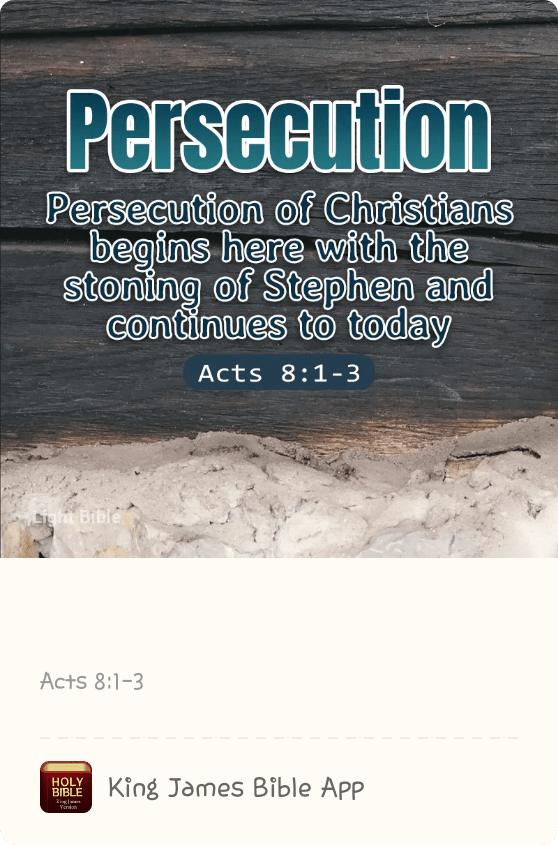
“After the Babylonian exile, Jerusalem changed hands between different political authorities until the Roman Empire set it under the rule of a Jewish client-King. At Jesus’ birth, Jerusalem was the seat of King Herod, who was visited by the Magi on their way to find Jesus (Matt. 2:1-2). The temple of Jerusalem is where Joseph and Mary took Jesus to be purified after his birth and blessed by the prophets Simeon and Anna (Luke 2:22, 25-38), where Jesus was found at age 12 dialoguing with religious teachers (Luke 2:43), where the devil took Jesus to the rooftop for his third temptation (Luke 4:9), and where Jesus disrupted money sellers in the outer courts (Mark 11:15). The city of Jerusalem is also where Jesus was welcomed like royalty before being put on trial by Israel’s religious leaders and crucified by Rome’s political ones (Luke 19:28-38). In his teachings, Jesus predicted future unrest in the city and anticipated its destruction in AD 70 (Luke 21:24). Though Jerusalem was hailed in his time as the only place of true worship, He also predicted that God’s worship would not be confined by location (John 4:21). Nevertheless, Jesus expressed a nostalgic affection for the city before his death at the hands of its citizens (Matt. 23:37). After Christ’s resurrection, the disciples were instructed to remain in Jerusalem until they received the Holy Spirit (Acts 1:4). Peter gave the first evangelistic sermon in Jerusalem and the church began to grow (Acts 2:14, 6:7), despite persecution from the likes of Paul (Acts 8:1-3). Jerusalem acted as a base for the church where the apostles, elders, and other church officials resided (Acts 15:2). The first church council met in Jerusalem to determine the pivotal question of Gentile converts. They decided that Gentile believers could be Christ-followers without following Jewish legalistic regulations (Acts 15:1-29). Paul was later arrested in Jerusalem before his shipment to Rome for further trial (Acts 21:27; 25:12). In Revelation the new city of Jerusalem is portrayed as a God’s bride, a metaphor for God’s people (Rev. 21:2). The same city, then, which served as the center of Israel’s kingship and sacrificial system is the same city where the incarnate God revealed himself as humanity’s true king and true sacrifice, and which symbolizes God’s restored relationship with his people. Megiddo” Sent from Bible Study
“Jerusalem was allotted to the tribe of Benjamin (Josh. 18:28). The Israelites took over the city in the time of the judges but did not eliminate the Jebusites (Judg. 1:8, 21; 19:11-12). David finally drove out the Jebusites from the city and built his palace on the Jebusite hilltop fortress called Zion, which he also christened “the city of David” (2 Sam. 5:9, 11). David was made King of Israel and established Jerusalem as the center of his kingdom (2 Sam. 5:9-12). At one point during David’s reign an angel almost destroyed Jerusalem because of an illegal census but was commanded by God to stop (2 Sam. 24:16). David’s son Solomon built up the city considerably, his greatest contribution being the construction of its temple (1 Kings 3:1). At the end of Solomon’s reign the country was racked by civil war and split into two separate kingdoms: the tribes of Judah and Benjamin in the south kept Jerusalem as their capital while the remaining northern tribes were ruled by a different king in Samaria. Jerusalem was threatened by Assyria during King Hezekiah’s reign (2 Kings 18:17) but remained unharmed until Babylon’s King Nebuchadnezzar laid siege to Jerusalem, captured the city, sent its inhabitants into exile in Babylon, and set fire to its houses, palace, and – worst of all –temple (2 Kings 24:10,14; 25:9). After seven decades in a foreign land, the Jewish people were allowed to return home to rebuild their temple under the Persian King Cyrus (Ezra 1:2-3), despite local opposition (Ezra 6:14). The books of Ezra and Nehemiah record the Jewish people’s rebuilding efforts and Nehemiah mentions many of Jerusalem’s gates and city structures. As the “dwelling place” of God (Ps 76:2), the city of Jerusalem also maintains an important role in the Bible’s non-historic literature. Psalms 120 through 134, known as the Psalm of Ascents, were written for Jews on their way to Jerusalem for festival celebrations. The writings of Ecclesiastes are set in Jerusalem (Eccles. 1:1, 12) and Song of Songs is also presumably set in the city (Song of Songs 2:7; 3:2). The entire book of Lamentations is a mournful account of Jerusalem’s destruction at the hands of the Babylonians. The Old Testament prophets form a unified voice in their prophecies concerning Jerusalem and Isaiah in particular has much to say about the city, occasionally calling it “Ariel” (Isa. 29:1, 2, 7). The prophets consistently predict Jerusalem’s destruction at the hand of the Babylonians because of its unfaithfulness to God, but they also anticipate its restoration by God as the city where he would establish his kingdom and forever enjoy his people (Micah 4:10; Zeph. 3:14-17).” Sent from Bible Study
“Before Israel’s entry into Canaan, scripture predicted that God would appoint a place in Israel where he would “cause his name to dwell” (Deut. 12:11) and later affirms that Jerusalem had become this chosen place (1 Kings 11:36). Jerusalem was originally established by a Canaanite people called the Jebusites (Josh. 15:8, 63). The first explicit reference to the city in the Bible is in the accounts of Joshua’s campaign to conquer Canaan and describes that its King, Adoni-Zekek, was killed by Joshua along with four other local kings (Josh. 10:1, 26). However the city may be mentioned even earlier, since the mysterious priest-king Melchizedek who visited Abraham in Genesis 14 is described as the king of Salem (“peace”), which may be an early name for Jerusalem (“foundation of peace”) (Gen. 14:18; cf. Hebrews 7).” Sent from Bible Study
“A crucial city in the Old and New Testaments, Jerusalem served as the seat of both Israel’s kingly authority and priestly rites. It was the capital of Israel during David and Solomon’s kingdom and was the capital of Judah’s kingdom after Judah and Israel’s split. It housed the Jewish temple where the nation offered sacrifices and was the setting of Jesus’ trial, crucifixion, and resurrection. It also served as headquarters and missionary sending base for the early church. Jerusalem is located between the Mediterranean and the northern end of the Dead Sea on a high plateau surrounded by mountains, hence why many biblical travel accounts refer going “up” to Jerusalem (Psalm 125:2). “Zion,” the hilltop where King David built his palace, is often used as a synonym for Jerusalem, which in turn is often used as a reference for God’s people (2 Sam. 5:7,9; Ps. 147:12).” Sent from Bible Study
“Wealthy Canaanite city also known as “the city of palm trees” (2 Chron. 28:15). Jericho sat by the west bank of the Jordan River on open plains near the mountainous terrain of the Judean Wilderness and along the major route through the Jordan River Valley (connecting Galilee and Judea). Scripture first mentions it when the Israelite’s set up camp across from the city before entering Canaan on the east side of the Jordan (Num. 22:1). Moses climbed a mountain across from Jericho to see Canaan before his death (Deut. 34:1). Several Jewish spies sent to scout out the land were housed in the city by a local prostitute named Rahab, who is likely the mother of Boaz, the future kinsman redeemer husband of Ruth mentioned in Matthew’s genealogy of Jesus (Josh. 2:1; Matt. 1:5). After following God’s instructions to march around the perimeter of the city seven consecutive days, the city walls crumbled (Josh. 6:15). The Israelite army attacked and plundered the city, sparing the lives of Rahab and her family as promised (Josh. 6:24-5). Both incidents are mentioned in the New Testament letter to the Hebrews as hallmarks of faith (Heb. 11:30-31). Joshua pronounced a curse on anyone who would attempt to rebuild Jericho’s walls (Josh. 6:26) which was later fulfilled by the attempts of a man named Hiel during King Ahab’s reign (1 Kings 16:34). Israel’s capture of Jericho set a precedence for their victory over other Canaanite peoples (Josh. 8:2; 10:28,30). The city was allotted to the tribe of Benjamin (Josh. 18:21). Later in Israel’s history, the prophet Elijah was taken by God into heaven by a whirlwind along the Jordan near Jericho (2 Kings 2:5, 11). His successor, Elisha, later restored Jericho’s water source during his ministry (2 Kings 2:19-22). According to Ezra and Nehemiah, 345 Jews returned to the city after exile in Babylon (Ezra 2:34; Neh. 7:36). By New Testament times Jericho was located slightly southeast of its original location. Herod the Great built a luxurious palace there, complete with pools and gardens. Three of the four gospels record Jesus healing blind men on his way through the city on his final trip to Jerusalem (Matt. 20:29-34; Mark 10:46-52; Luke 18:35-43). It is also mentioned in Jesus’ parable of the Good Samaritan, which takes place along the road between Jerusalem and Jericho (Luke 10:30), and is where Jesus met with the tax collector Zacchaeus (Luke 19:1-6).” Sent from Bible Study
“City located north of Israel in modern Syria. In the Old Testament Damascus served as the capital city of the Aramean people, a rival of the Israelites. King David subdued the city during his reign(2 Sam. 8:5-6), but its King Rezon caused a headache for Solomon (1 Kings 11:25). King Jeroboam recaptured Damascus (2 Kings 14:28) but it was later taken by Assyria (2 Kings 16:9). While visiting the Assyrian King in Damascus, King Ahaz was enticed by an altar he saw and made sketches to construct a replacement for the temple in Jerusalem (2 Kings 16:10-12). Isaiah, Jeremiah, Amos, and Zechariah each prophesized against the city (Isa. 17:1; Jer. 49:23-27; Amos 1:3-5; Zech. 9:1). By New Testament times, Damascus was one of the cities of the “Decapolis” – a loose league of “Greek” cities in Galilee and southwestern Syria. It prospered under Greek, then Roman rule. While on his way to Damascus to deliver letters to synagogues with permission to arrest Christians, Paul encountered the risen Christ (Acts 9:1-9). He continued on to Damascus where he met with Ananias and other disciples (Acts 9:10-19). At around the same time, Damascus was given to the Nabateans under King Aretas IV (2 Cor 11:32). Paul began preaching in Damascus until he had to escape arrest by being lowered over the wall in a basket (Acts 9:20-25; 2 Cor. 11:32-33). Paul went to Arabia, then returned to Damascus for a time before he began his missionary travels (Gal 1:17). Damascus soon became a center for early Christianity. Today a chapel stands in the city, commemorating Paul’s conversion, and made out of the Roman gate believed to be the one Paul escaped through. Ephesus Greco-Roman city on the western coast of modern Turkey. It contained a busy artificial harbor during Paul’s time and sat at the intersection of several major roads, making it a strategic place for his missionary travels in Asia. Ephesus was at its height in the first century A.D., hosting a population as much as 500,000 people. Paul sailed there with Priscilla and Aquila on his second missionary trip after meeting them in Corinth and preached at the local synagogue, promising to soon return (Acts 18:18-21). The early Christian evangelist Apollos arrived in Ephesus soon afterwards and was discipled by Priscilla and Aquila, who had stayed in the city (Acts 18:24-26). Paul came back to Ephesus during his third missionary trip and stayed for several years, during which he wrote several of his New Testament letters (Acts 19:1,10; 1 Cor. 16:8). He left when a large riot formed at the local theater to protest him for threatening local businesses that supported the world-famous temple of the goddess Artemis at Ephesus (Acts 19:23-41). Near the end of his life, Paul wrote a letter to Timothy instructing him to remain in the city (1 Tim. 1:3). Though the New Testament book of Ephesians bears the city’s name, a few important early manuscripts do not contain an address to Ephesus, casting doubt on whether the letter was written strictly to Christians there. It may be that the letter was intended for several churches in the region, of which Ephesus was the most important. The church in Ephesus is also one of seven who received letters in the book of Revelation, in which they are praised for being discerning, working for the name of Christ, and standing against the heretical Nicolaitans. But they are reprimanded for abandoning their first love for Christ (Rev. 2:1). It is possible that in their works and zeal for doctrine they had reduced Christianity to mere intellectual pursuit.” Sent from Bible Study


Fear thou not; for I am with thee: be not dismayed; for I am thy God: I will strengthen thee; yea, I will help thee; yea, I will uphold thee with the right hand of my righteousness. Isaiah 41:10 KJV https://bible.com/bible/1/isa.41.10.KJV