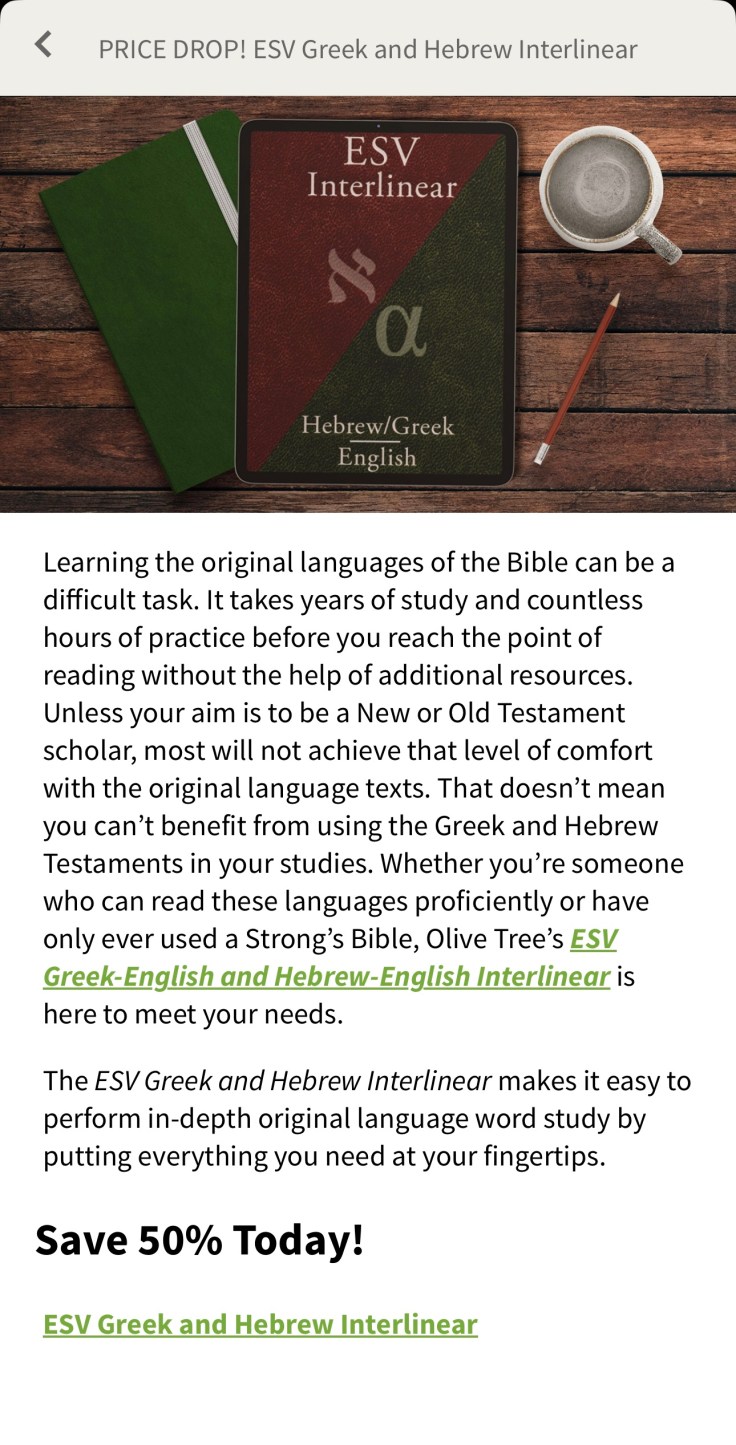
PRICE DROP! ESV Greek and Hebrew Interlinear

My site is for uplifting and encouraging those that need spiritual advice and guidance.

Stop worrying about whether other people understand you, and make sure that you understand yourself, your desires, your passions, and your dreams.
From the Motivation app: https://motivation.app/download

hebrewbible.app/en/plans/noahide-en/2
Click on the link above to start this plan. You may also download the app so you can explore more of the Word of God.

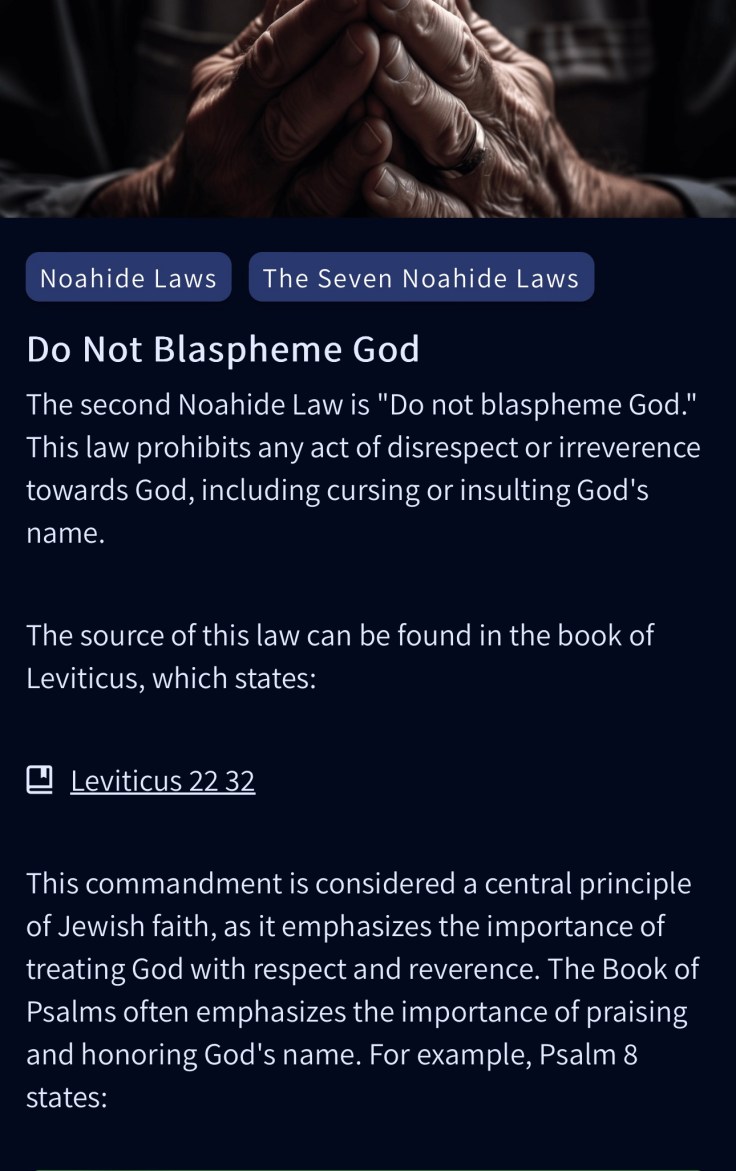
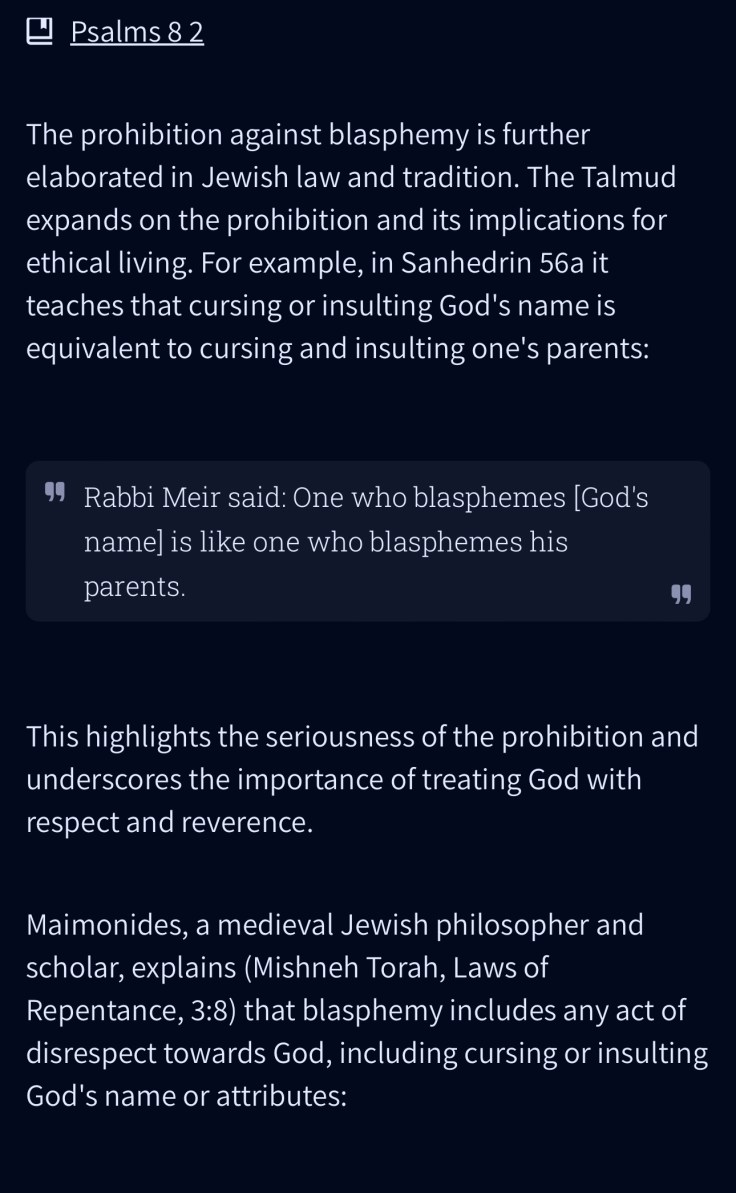
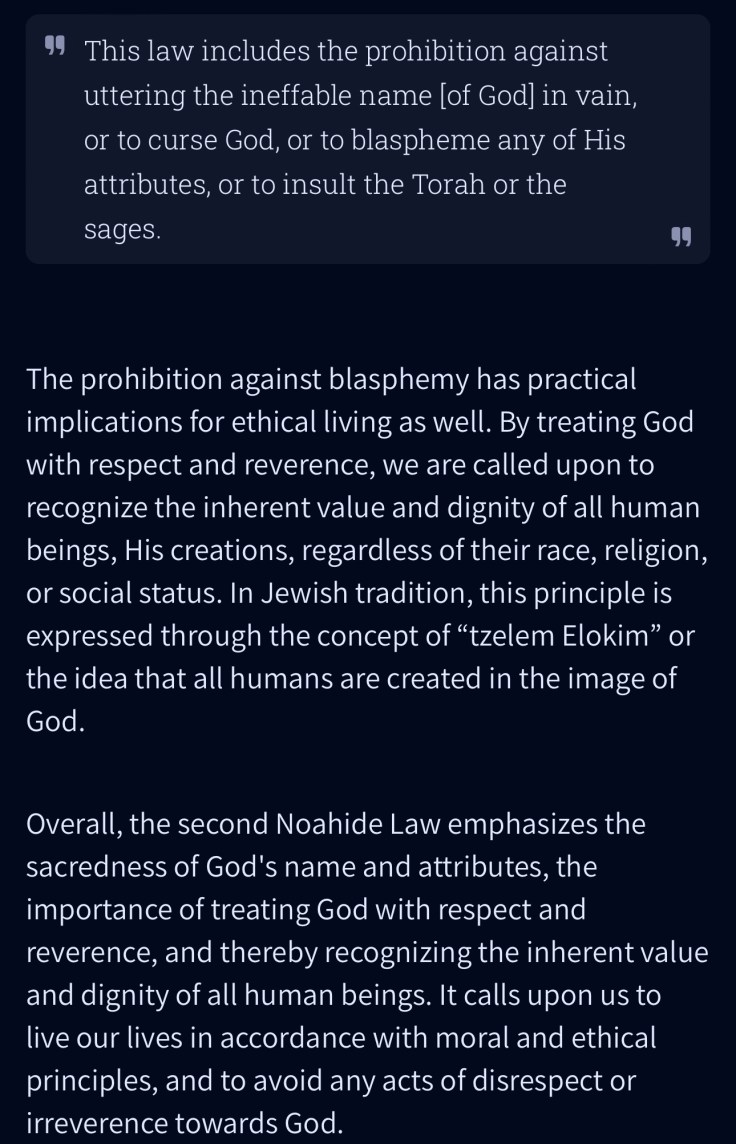

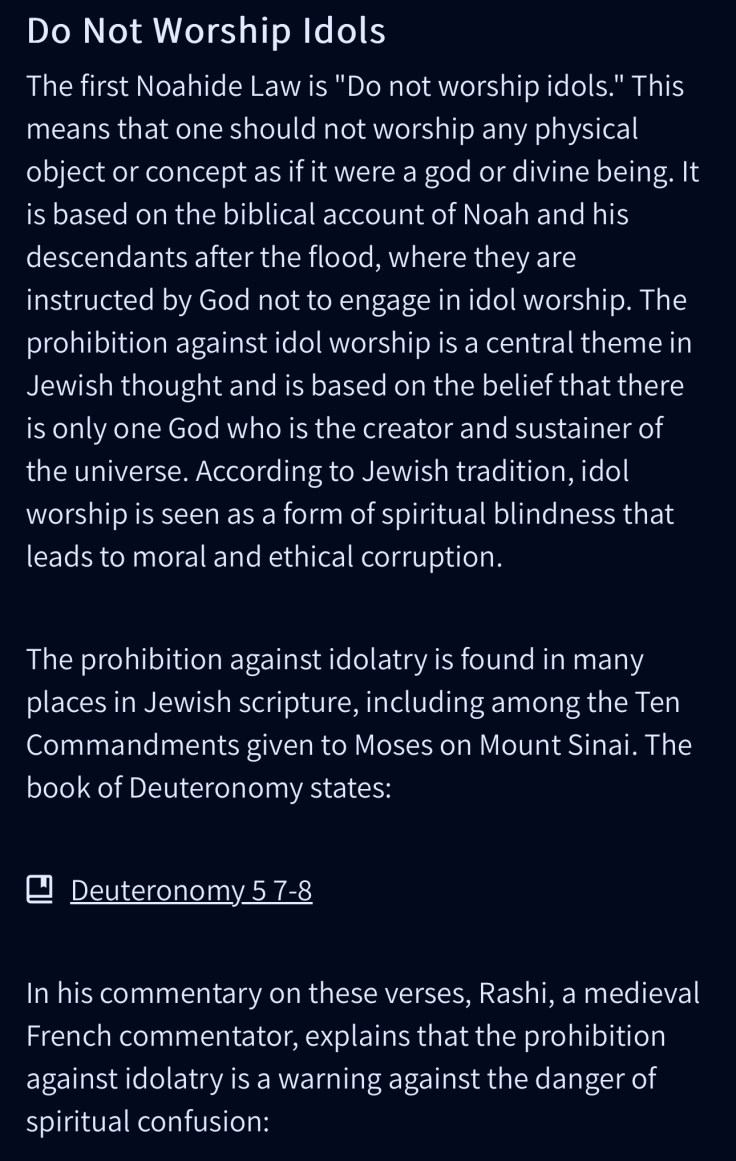
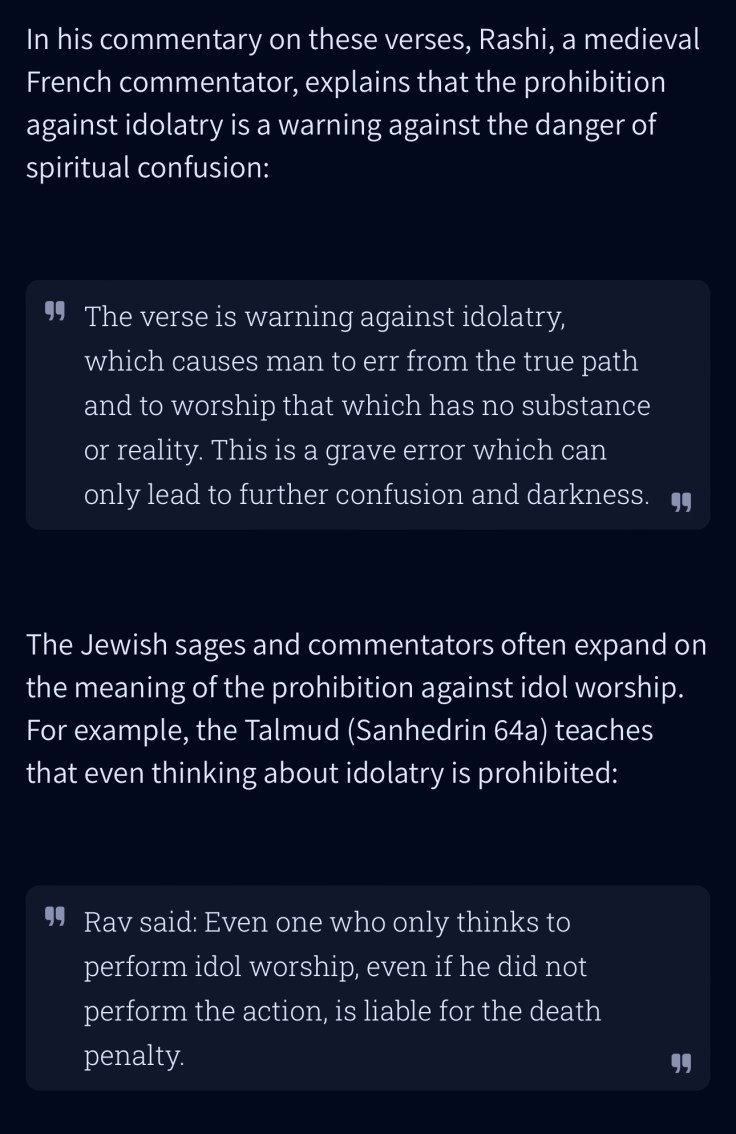
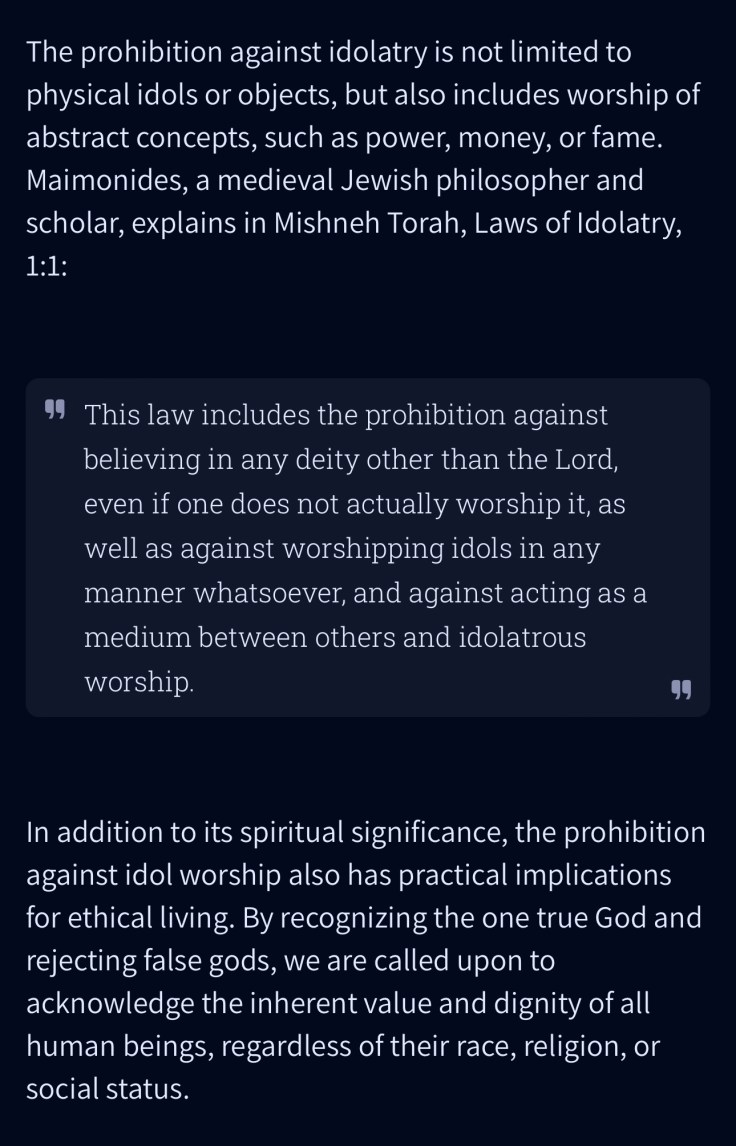
hebrewbible.app/en/content/do-not-worship-idols-wkyiywf
Click on the link above to access this Bible Study. You are also welcome to download the app onto your mobile device. God bless.



You can download the Streetlights app to see these videos and more content about how God’s Word is being shared.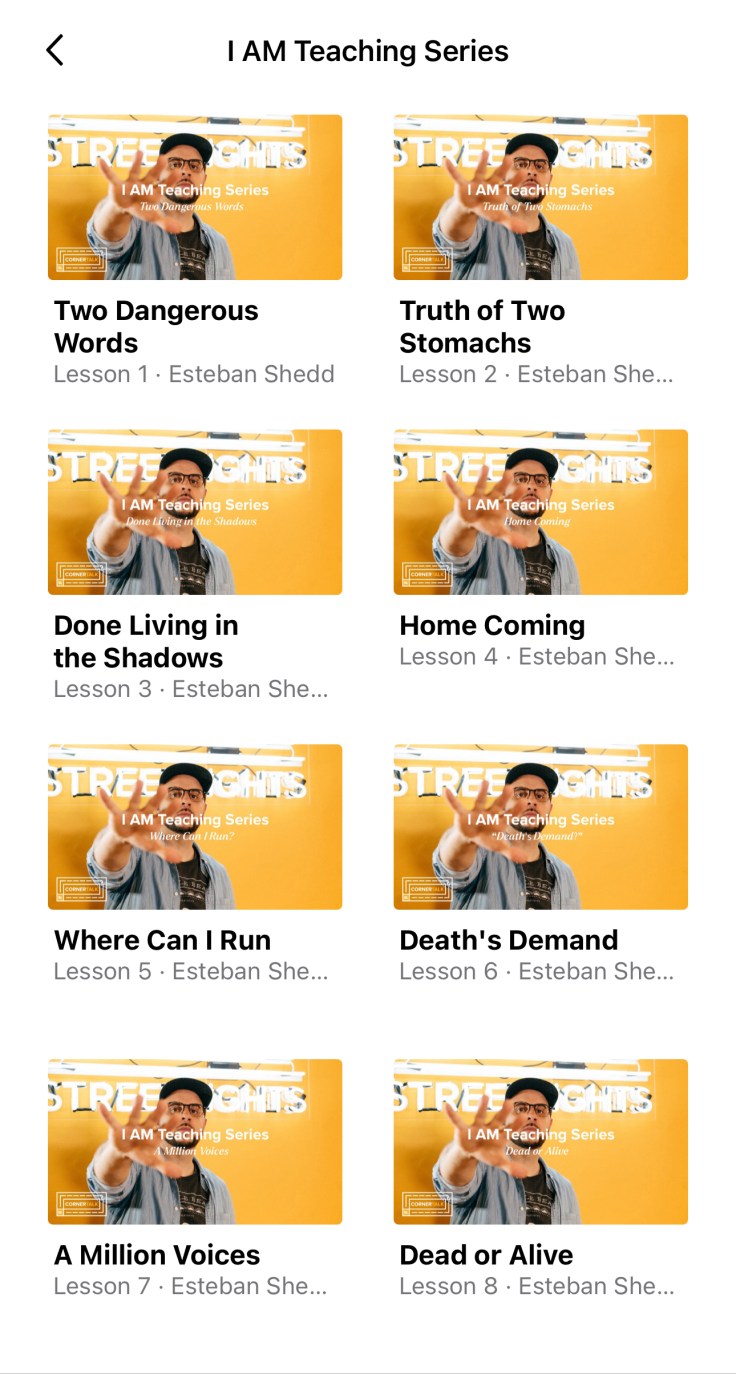

The voice of one crying in the wilderness, Prepare ye the way of the Lord, make his paths straight.
And God saw the light. Genesis 1:4
Devotional
This morning we noticed the goodness of the light, and the Lord’s dividing it from the darkness, we now note the special eye which the Lord had for the light. “God saw the light”–he looked at it with complacency, gazed upon it with pleasure, saw that it “was good.” If the Lord has given you light, dear reader, he looks on that light with peculiar interest; for not only is it dear to him as his own handiwork, but because it is like himself, for “He is light.” Pleasant it is to the believer to know that God’s eye is thus tenderly observant of that work of grace which he has begun. He never loses sight of the treasure which he has placed in our earthen vessels. Sometimes we cannot see the light, but God always sees the light, and that is much better than our seeing it. Better for the judge to see my innocence than for me to think I see it. It is very comfortable for me to know that I am one of God’s people–but whether I know it or not, if the Lord knows it, I am still safe. This is the foundation, “The Lord knoweth them that are his.” You may be sighing and groaning because of inbred sin, and mourning over your darkness, yet the Lord sees “light” in your heart, for he has put it there, and all the cloudiness and gloom of your soul cannot conceal your light from his gracious eye. You may have sunk low in despondency, and even despair; but if your soul has any longing towards Christ, and if you are seeking to rest in his finished work, God sees the “light.” He not only sees it, but he also preserves it in you. “I, the Lord, do keep it.” This is a precious thought to those who, after anxious watching and guarding of themselves, feel their own powerlessness to do so. The light thus preserved by his grace, he will one day develop into the splendour of noonday, and the fulness of glory. The light within is the dawn of the eternal day.

Faith’s Checkbook
And the God of peace shall bruise Satan under your feet shortly. Romans 16:20
Devotional : Conquest to Victory
This promise follows well upon that of yesterday. We are evidently to be conformed to our covenant Head, not only in His being bruised in His heel, but in His conquest of the evil one. Even under our feet is the old dragon to be bruised. The Roman believers were grieved with strife in the church; but their God was “the God of peace,” and gave them rest of soul. The arch-enemy tripped up the feet of the unwary, and deceived the hearts of the simple; but he was to get the worst of it, and to be trodden down by those whom he had troubled. This victory would not come to the people of God through their own skill or power; but God Himself would bruise Satan. Though it would be under their feet, yet the bruising would be of the Lord alone.
Let us bravely tread upon the tempter! Not only inferior spirits, but the Prince of darkness himself must go down before us. In unquestioning confidence in God, let us look for speedy victory. “SHORTLY.” Happy word! Shortly we shall set our foot on the old serpent! What a joy to crush evil! What dishonor to Satan to have his head bruised by human feet! Let us by faith in Jesus tread the tempter down.

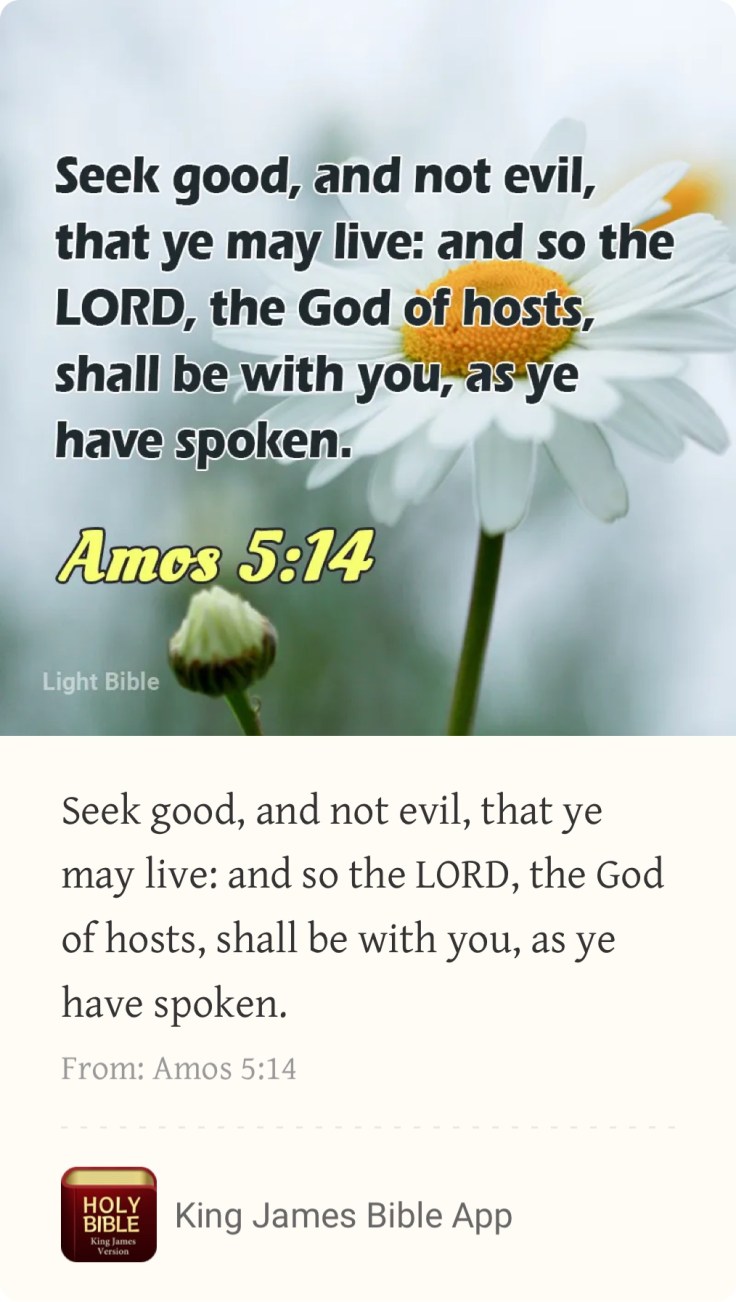
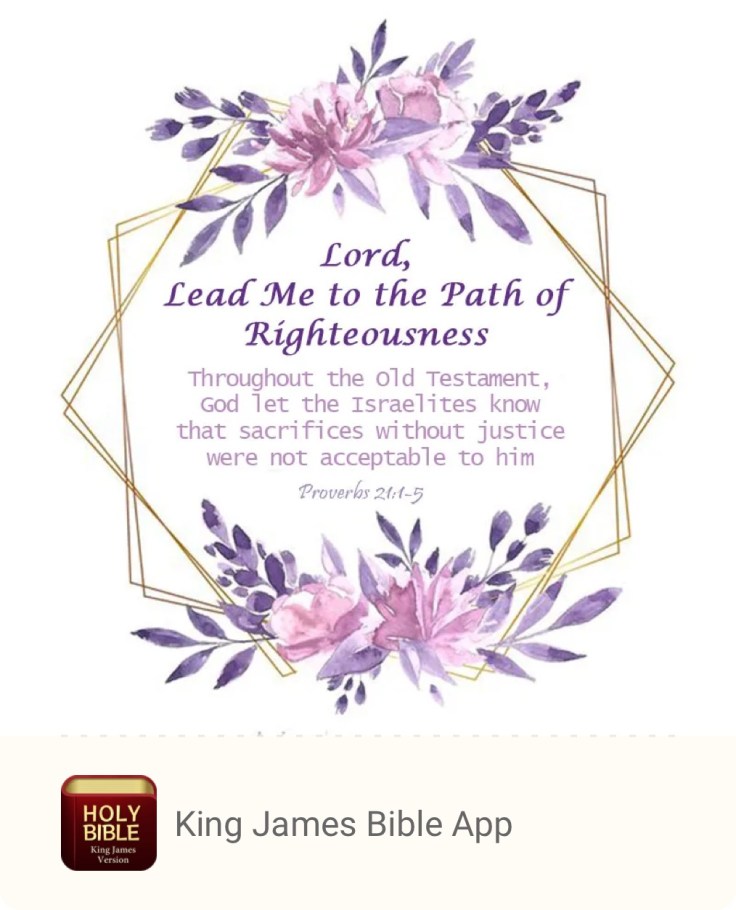
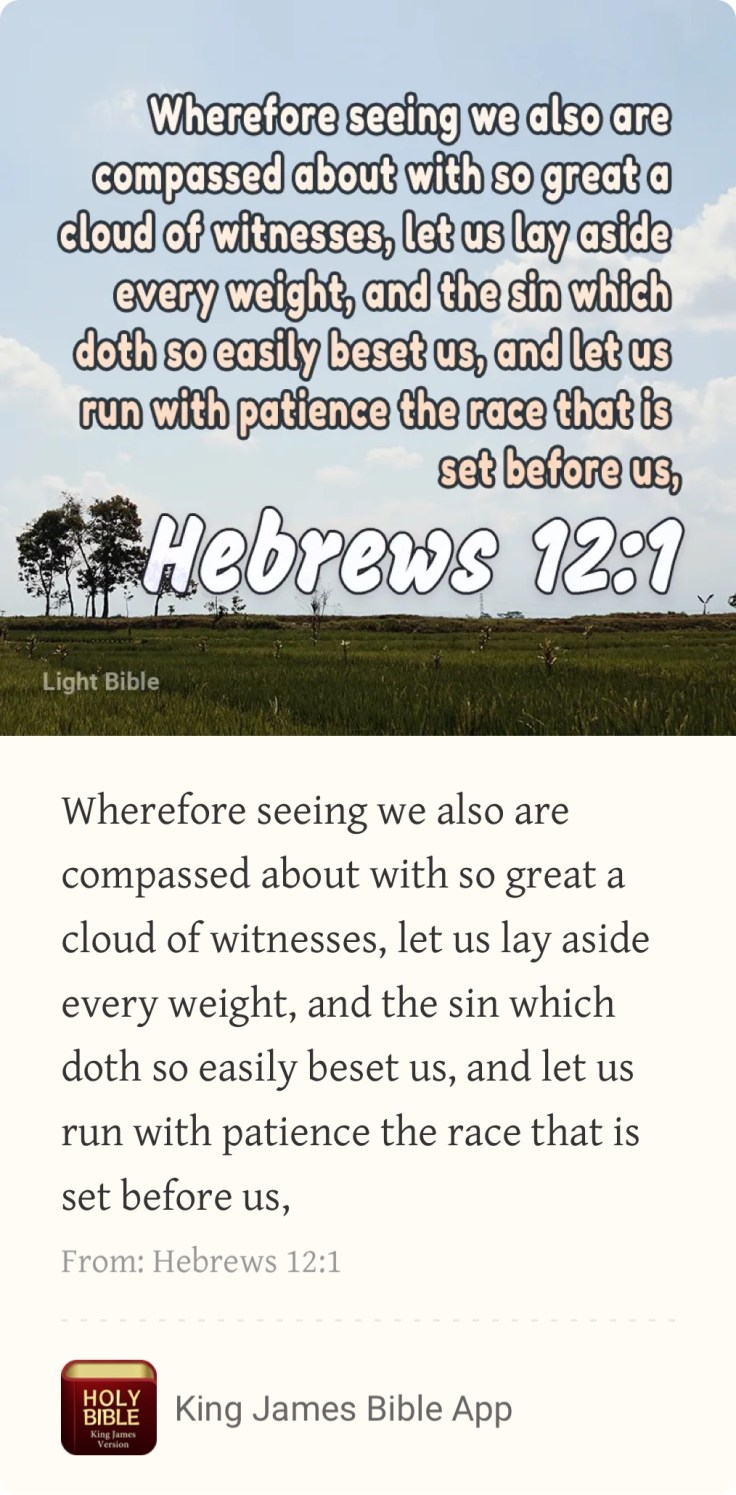
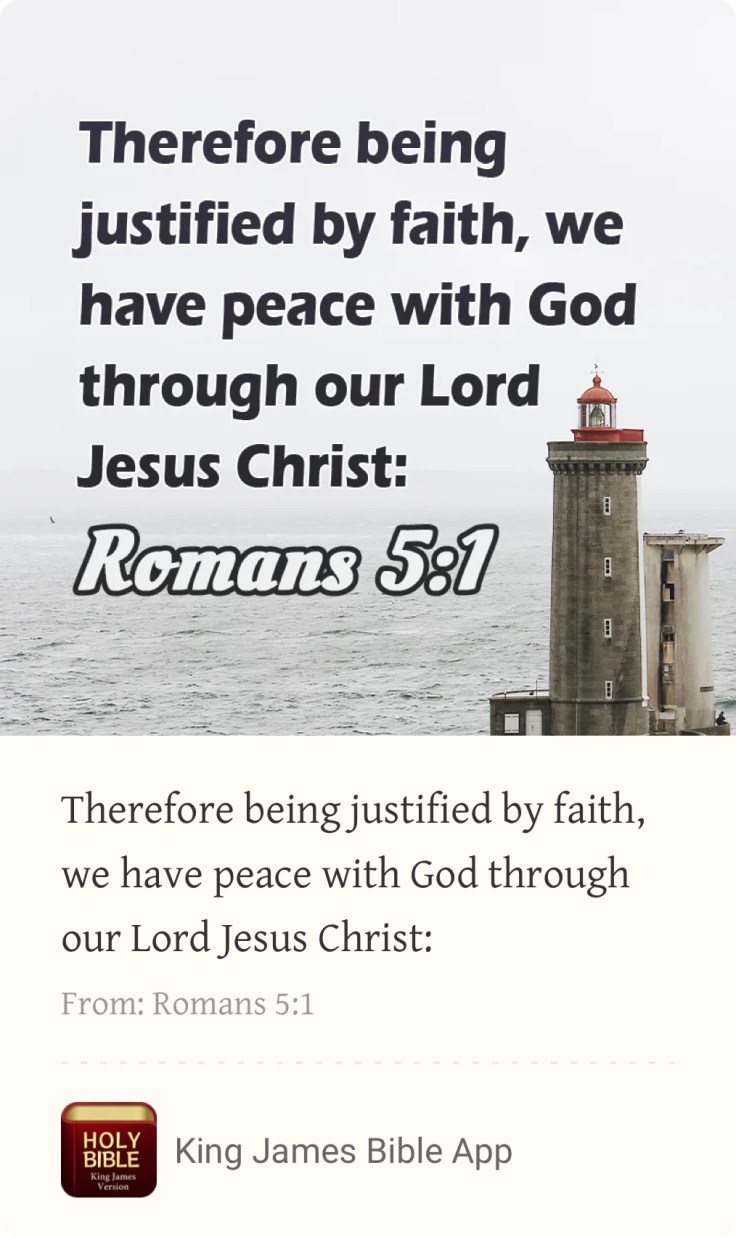
I just wanted to share with you these beautiful words of God. I hope you will be inspired and uplifted by these words. I know today is only Wednesday, but in my heart it feels like Sunday. Enjoy the day that the Lord has made, rejoice and be glad in it. As always, thank you for joining me on my journey with food for the Soul.

Love this❤ Shared from Bible Verses: Daily Devotional app – https://bibleverses.app
#bible #bibleverse #bibleverses #bibleversesdaily #bibleverseoftheday #biblequotes #biblequote

Love this❤ Shared from Bible Verses: Daily Devotional app – https://bibleverses.app
#bible #bibleverse #bibleverses #bibleversesdaily #bibleverseoftheday #biblequotes #biblequote

Love this❤ Shared from Bible Verses: Daily Devotional app – https://bibleverses.app
#bible #bibleverse #bibleverses #bibleversesdaily #bibleverseoftheday #biblequotes #biblequote

Love this❤ Shared from Bible Verses: Daily Devotional app – https://bibleverses.app
#bible #bibleverse #bibleverses #bibleversesdaily #bibleverseoftheday #biblequotes #biblequote


Devotional
David begins this psalm asking God to be merciful to him in the time of his calamities. He describes those calamities as facing those with tongues like swords and those who had prepared a net to entrap him. But he declares that, although his afflictions are great, his heart is fixed since he is trusting in God.
It is God that he trusts, because he is confident there is nothing too difficult for him to handle. God is sovereign, he rules over heaven and earth and the psalmist has every reason to trust him.
All of us face our calamities in life. It may be an attack from Satan who is as a roaring lion seeking whom he may devour; it may be the words of a vicious tongue that have caused great hurt; or it may be some difficult providence that we just cannot understand.
May we so learn to trust in the Lord that we can say, “My heart is fixed” even in the most difficult of times — when the way is dark, when facing discouragement, when others are departing. And when there is a temptation to compromise in order to please men, let us stand firm with our heart fixed because above all we desire to bring glory to God.
“Be thou exalted, O God, above the heavens: let thy glory be above all the earth” (11).















 Food for the Soul