divasinspirational.poetry.blog/2022/09/11/satisfy-my-heart/
To read my poem, click on the link above. Feel free to leave your comments, or just stop by and say hello. Thanks for visiting.❤️
My site is for uplifting and encouraging those that need spiritual advice and guidance.
divasinspirational.poetry.blog/2022/09/11/satisfy-my-heart/
To read my poem, click on the link above. Feel free to leave your comments, or just stop by and say hello. Thanks for visiting.❤️
divasinspirational.poetry.blog/2023/09/02/night-walkers/
To read my poem, Night Walkers!!! Click on the link above. Feel free to leave your comments, or just stop by and say hello. Although I don’t celebrate Halloween, I thought I would share this poem since it is the season for it. Thanks for visiting.🎃
letyourhairbreathe.wordpress.com/2023/10/19/changing-of-the-seasons/
If you would like to read my post, Changing of the Seasons, click on the link above. I hope you enjoy it. Feel free to leave your comments in the comment section. Like, follow, or just stop by and say hello. Thank you for stopping by. Happy Fall.🍂🍁🍃

Self-love is knowing what you’re worth. Self-respect is refusing to settle for less.
From the Motivation app: https://motivation.app/download

Luke records Jesus’ first sermon in his hometown of Nazareth in 4:14–30. While Jesus clearly taught in the surrounding area to much acclaim, the response of those in his hometown was different. His words initially sparked amazement, but that amazement soon turned into a murderous rage. What did he say that made them so angry, angry enough to want to kill him? Let’s look at this episode of how the hero’s hometown rejects him with the Opening Up the Biblecommentary.
In Galilee, Jesus ‘taught in their synagogues, being glorified by all’ (v. 15). Mark tells us that the Saviour preached repentance at this time (Mark 1:15). During this period, he performed his first miracle of turning water into wine (John 2:1-11). However, storms gathered when he returned to his hometown of Nazareth.
Nazareth was situated in Galilee, an area in which God’s people were surrounded by Gentiles. Jews in Jerusalem regarded themselves as somewhat superior to those who lived in Galilee. Their willingness to live outside of the centre of Judaism, Jerusalem, meant they were to some degree isolated. It was his rustic Galilean accent which gave Peter away as a disciple of Jesus of Nazareth (see Matt. 26:69, 73).
Although born in Bethlehem, it was in Nazareth of Galilee that Christ grew up. He would become known as ‘Jesus of Nazareth’. This town is not even mentioned in the Old Testament and was regarded with especial contempt (John 1:46), perhaps for its dirty streets and poverty, or the aggression of its residents. Several instances in the Gospels suggest the people of Nazareth were scathing and fiery. Satan had left the Lord ‘until an opportune time’ (v. 13). Such a time had now come. He had sought to tempt Jesus to leap from the pinnacle of the temple. It is as if he raises a crowd to throw him to his death in Nazareth.
Our Lord travelled to his hometown and entered the synagogue. There he was handed the book of Isaiah and, as in the opening verses of this chapter, his wonderful familiarity with Scripture became evident. He found the place where it speaks of the glory of the Messiah’s work (Isa. 61) and read it out. Without any miracle or sign to prove his identity, the Lord closed the scroll and sat down. At this stage, it seemed all were amazed at him. How his words must have astonished all who heard them: ‘Today this Scripture is fulfilled in your hearing’ (v. 21).
“Jesus revealed that he would not be well received among his own people, but, like the prophets of old, he would be accepted by Gentiles. Elijah was sent to the gentile widow of Zarephath, to keep her from starvation, and Elisha to pagan Naaman, to bring healing from leprosy.”
It seems it was this emphasis which angered the crowd. ‘So all those in the synagogue, when they heard these things, were filled with wrath’ (v. 28). In their mad rage, and without any respect for a proper trial, they tried to hurl the Lord from the brow of a cliff upon which the city was built. Amazingly (and not the last time) Jesus passed through the hostile crowd and ‘went his way’.
Study the Passage
Think About and Discuss the Passage
The Opening Up the Bible commentary series is a great entry-level commentary. Each volume covers the book of the Bible section by section in a readable and easy to understand format. Questions are provided at the end of each section to promote further study and discussion. Grab yourself a copy!
Opening Up the Bible (42 Vols.)

Our Sure Foundation
Every time we turn on the news, we’re bombarded by tragedies happening in the world. Over the past few years, there has been so much world conflict, changes to our way of life, and disasters happening around the globe. This makes it easy to feel defeated and fearful of what is happening or could happen in our lifetime.
Natural disasters and global tragedies are not something unique to us. They’ve been happening ever since humankind turned away from God in the Garden of Eden. Scripture has a lot to say about these types of issues and also how God acts when tragedy strikes.
Isaiah 54:10 tells us that even though the earth shakes—God is immovable. In the midst of chaos, He is still in control. Nothing takes God by surprise, and nothing is greater than Him. A few chapters prior, in Isaiah 40, Isaiah says that God never grows weary as His power and might are everlasting.
Regardless of what is happening around us and whatever is happening within us, God’s love can never be taken from us.
In God, our past is forgiven, and our future is secured. There is nothing we can do to be taken out of the love of God. When we make mistakes, we can know that God’s feelings towards us do not change. He does not revoke His love from us; He continues to give it to us freely. He has compassion on us when we make mistakes.
That means we don’t have to live in fear. We can enter God’s presence confidently, knowing that there is nothing that can take His love from us. We can also live securely, knowing that whatever tragedies or world events occur, God’s power and might do not waver.
Scripture calls God our Rock that helps us withstand the greatest waves and earthquakes. Even when it feels like the earth is shaking and the hills are crumbling, God is at work calling us to rest upon a sure foundation—His unending love for us.









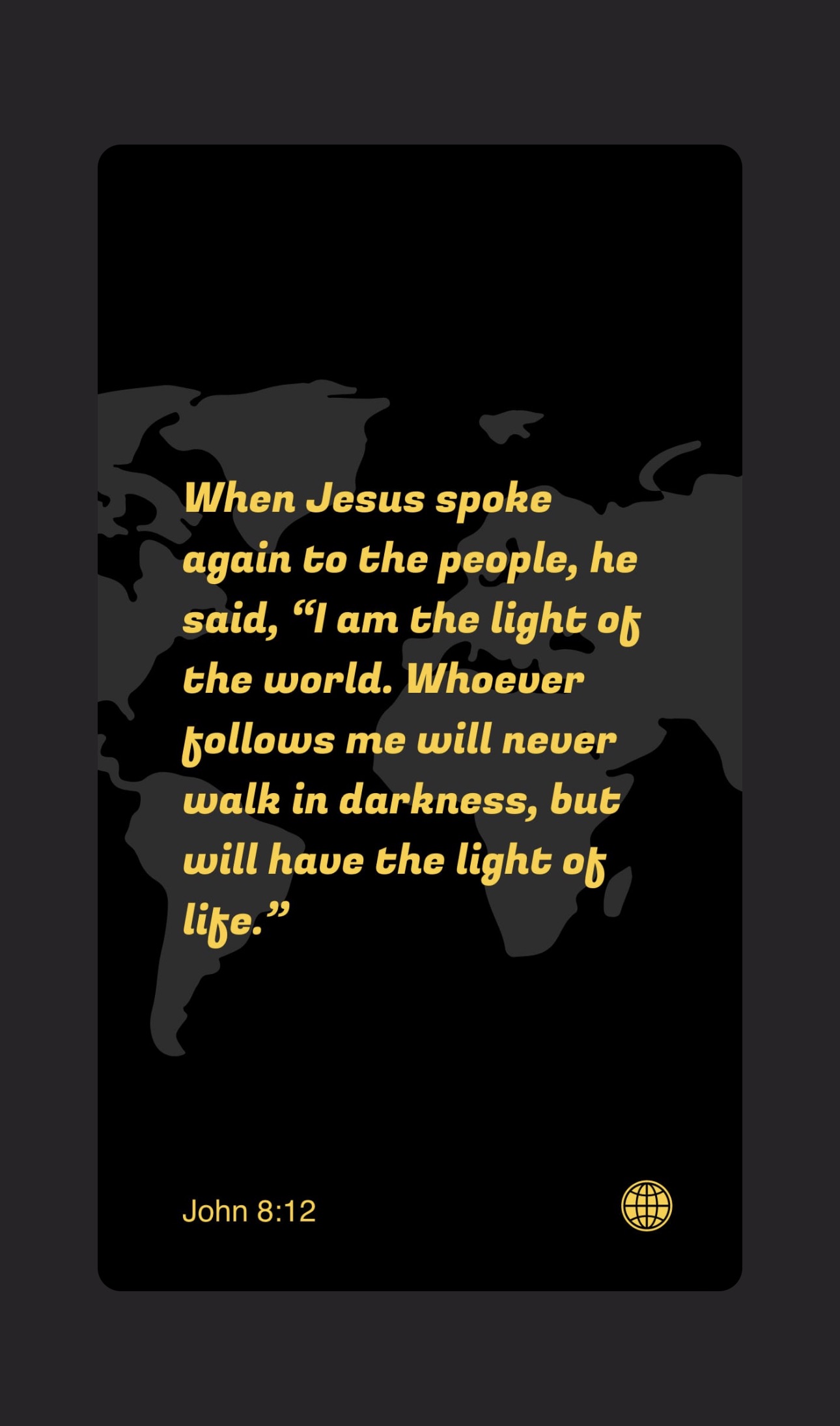









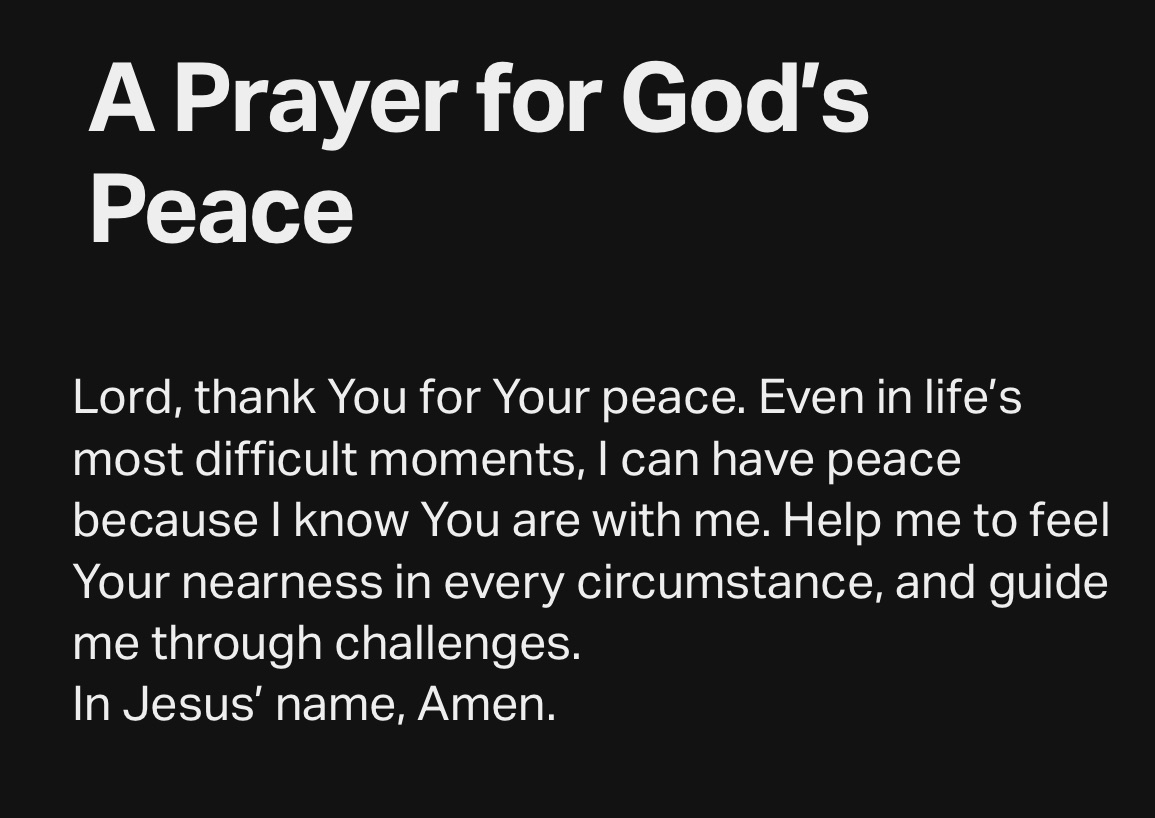


 bible.com/bible/1/isa.54.10.KJV


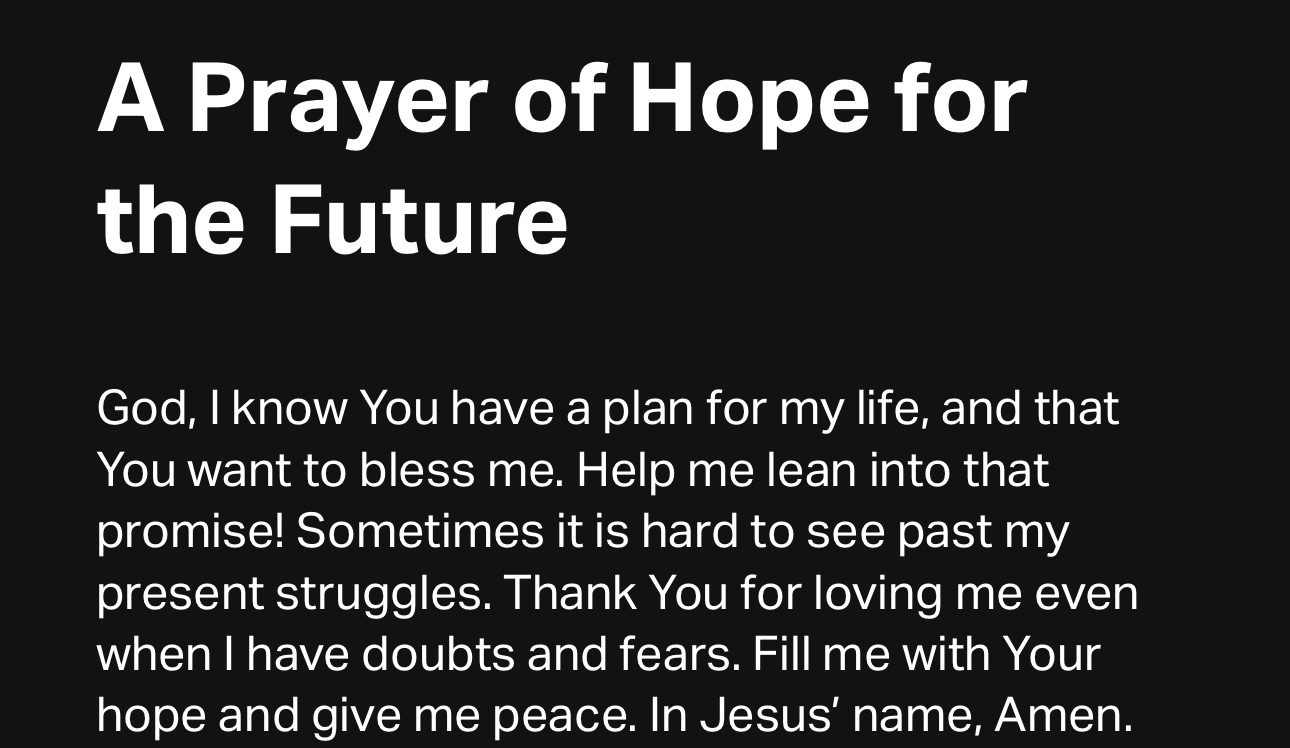

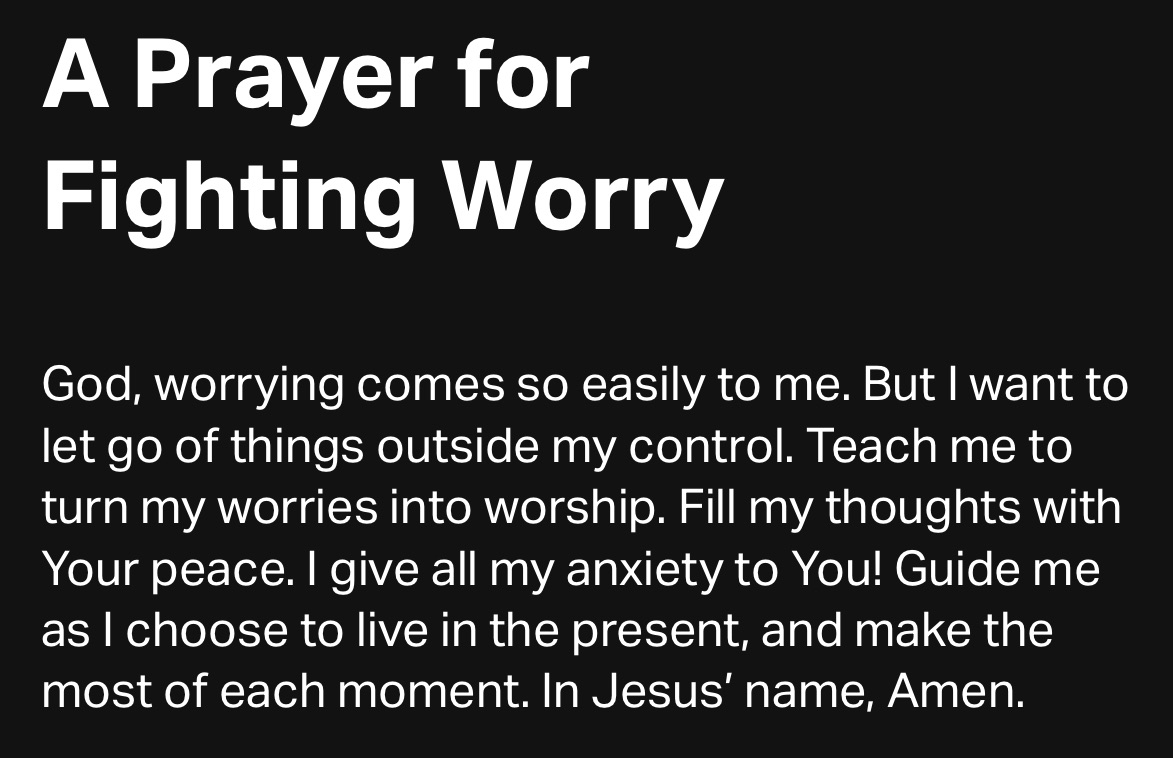
 Food for the Soul